Software you can trace back to a requirement.
Nandeshou builds and runs three products — a CRM, a writing environment, and an identity service — and builds custom software for clients. In all of it, AI does the drafting, every change links to the requirement that caused it, and an engineer signs off before anything ships.
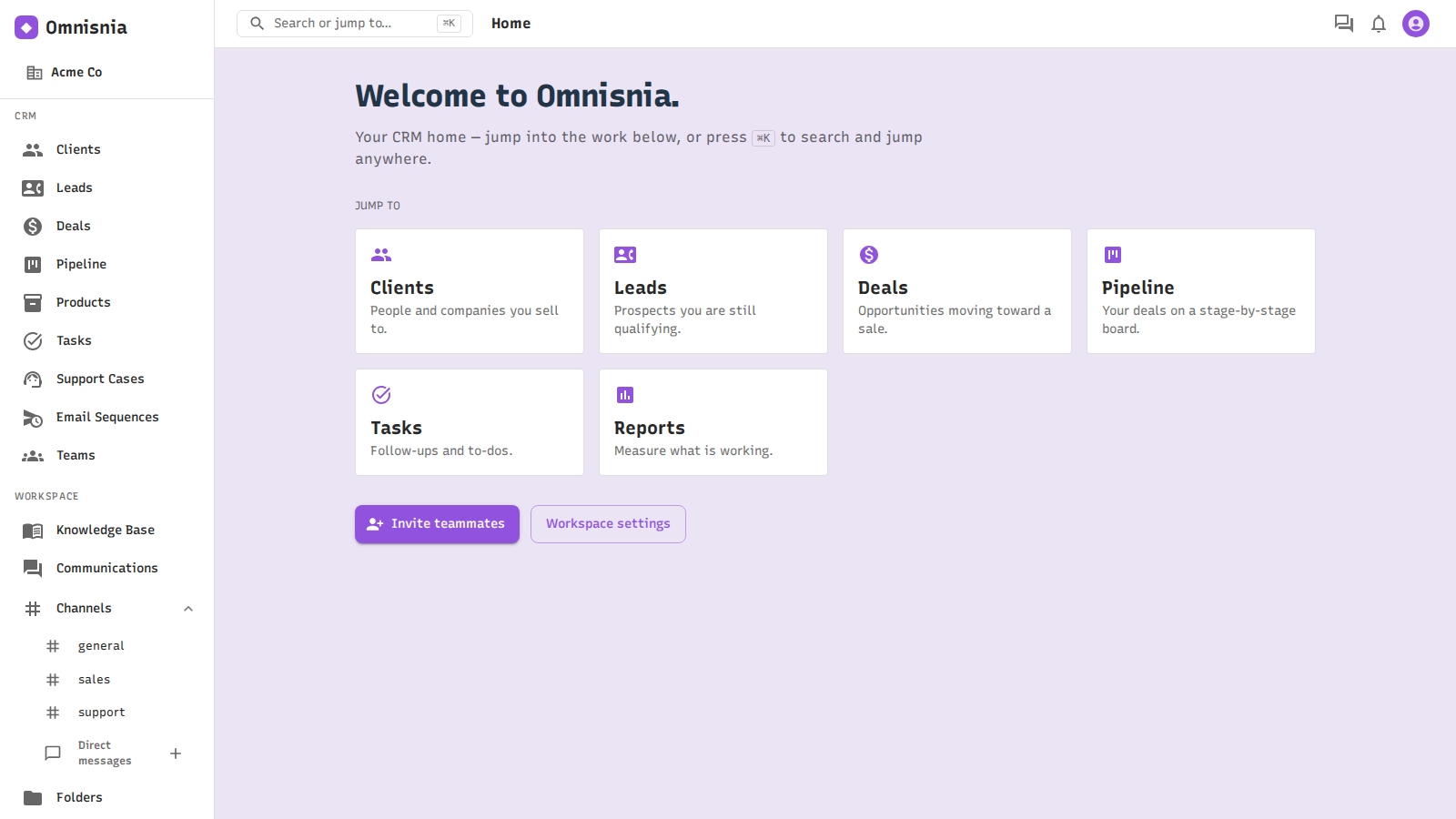
Three products, one identity layer, no integration work.
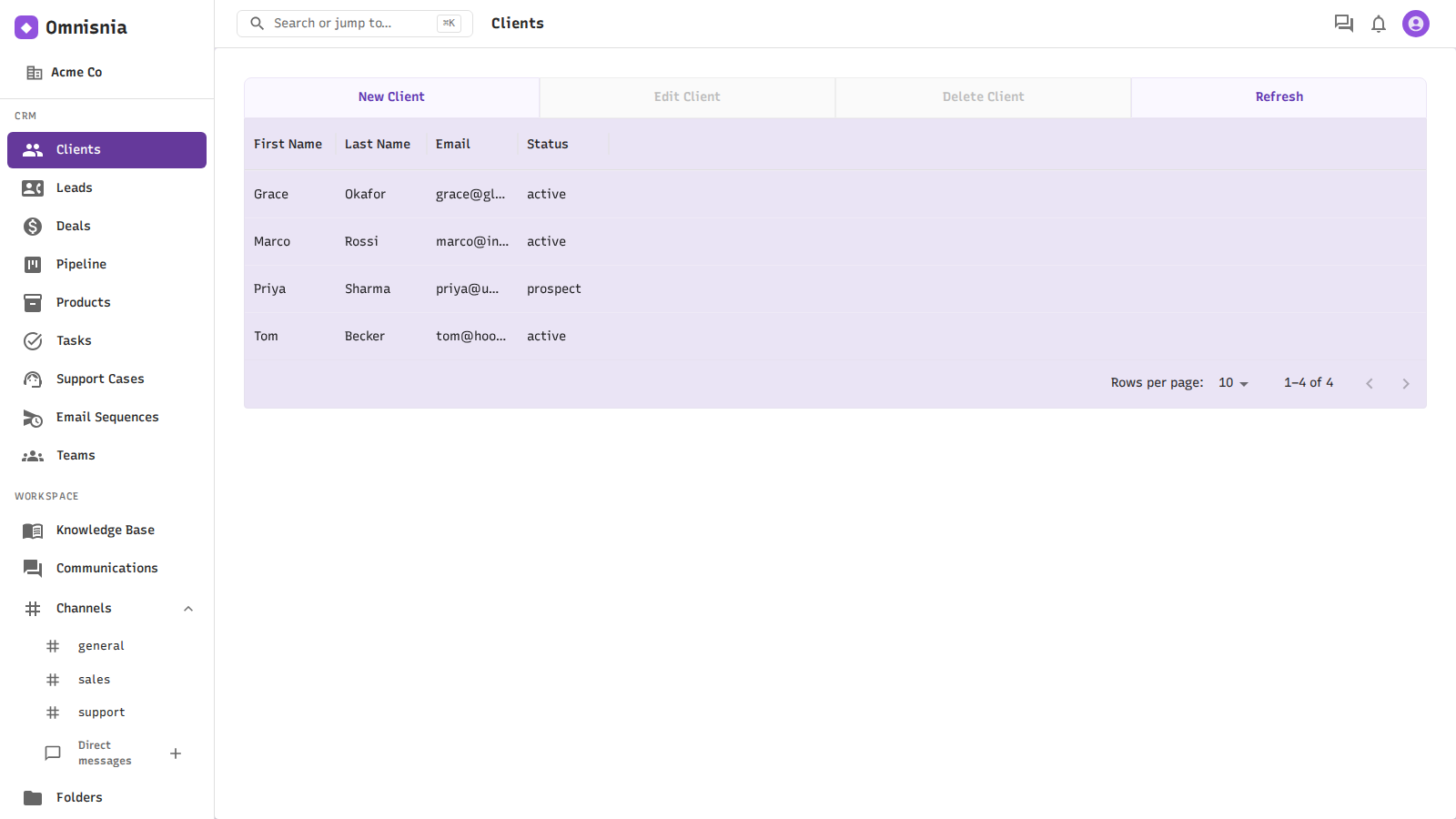
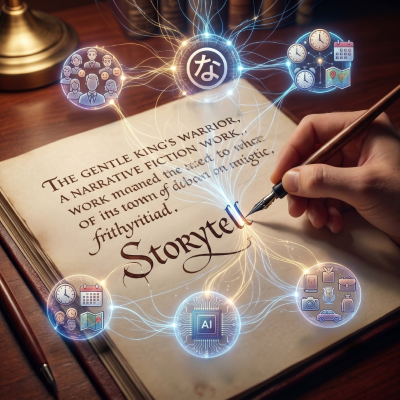
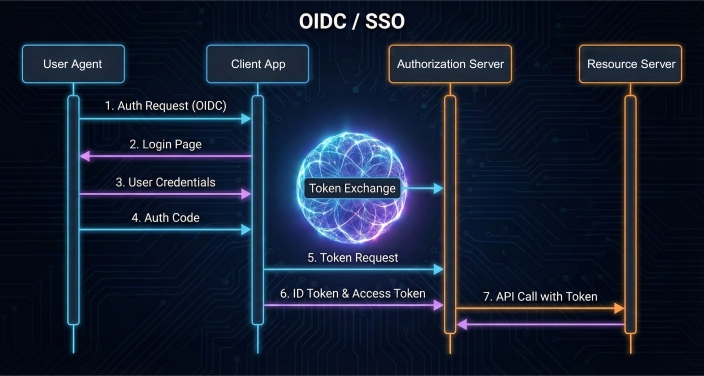
Omnisnia CRM holds your clients, deals, and support cases, in our cloud or on your own servers. Storyteller is a writing environment that keeps a long manuscript's cast, world, and timeline consistent, on your machine or in the cloud. Kanshin is the identity service both of them sign in through, and you can point your own applications at it too — standard OpenID Connect, billed on the people who actually sign in. Sign in once; you are signed in to all three.
What we build and run
Omnisnia CRM and Storyteller are in open beta — you can sign up and buy today. Kanshin is in closed beta: it runs in production under the other two, but its console is not open to the public yet. Pricing for all three is published on the pricing page; each product page says exactly what works today and what does not.
We also build software for clients. Here is how.
You describe what the software has to do. We turn that into a structured specification — organized by role, by feature, and by intent — and our engine generates the application from it in one pass, so every service, page, and component points back to a specific requirement. Our engineers then review the output and close the gaps. When the specification changes, we regenerate rather than patch, which is why architectural changes stay cheap late in a project.
Specification
Your requirements, organized by role, feature, and intent.
Generated application
Built in one pass, so the same input gives the same output.
Engineer review
A person reads the output and closes the gaps before it ships.
Five decisions we made differently
Most enterprise AI products ask you to accept that the model decides and you audit afterwards. We built ours the other way round. Here is what that means in practice.
Confirm before write
Omni proposes a change and shows you what it will do. Nothing is written to your records until you confirm it, and it runs under your permissions, so it cannot touch data you could not open yourself.
Grounded answers
Answers are drawn from the rows, documents, and messages in your own tenant, with the source shown. If the answer is not in your data, it says so rather than filling the gap.
Self-hostable
Omnisnia CRM and Storyteller both ship as a server you can host, pointed at your own inference. Your customer records and manuscripts stay on hardware you control, and there is no per-token bill.
One system
Channels, threads, a knowledge base, documents, and email live inside the CRM. There is no Slack connector to configure and no second bill for the part of the workflow that happens outside the record.
Audit trail
Assistant proposals, admin grants, and billing changes are written to an audit trail with the user who authorized them, so "the model did it" is never the only account of what happened.
Take a look at the products.
Omnisnia CRM and Storyteller are on sale now. Kanshin is in closed beta — email us for access.